
Skip to content

Olive blossom in the morning light

Services

The first step towards your goal

Consultations & Fertility Preservation

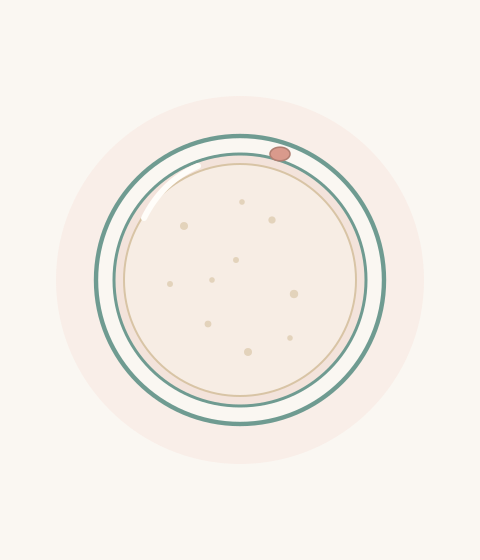
Illustration of an oocyte

For women

Guidance on understanding your ovarian reserve and planning your next steps.

Read more

Women are born with a finite supply of eggs, which gradually declines throughout life. Ovarian reserve varies from person to person and may be affected by conditions such as endometriosis, treatments such as chemotherapy and lifestyle factors such as smoking. Assessment is considered alongside age, using hormone tests and an ultrasound scan to build a clearer picture.
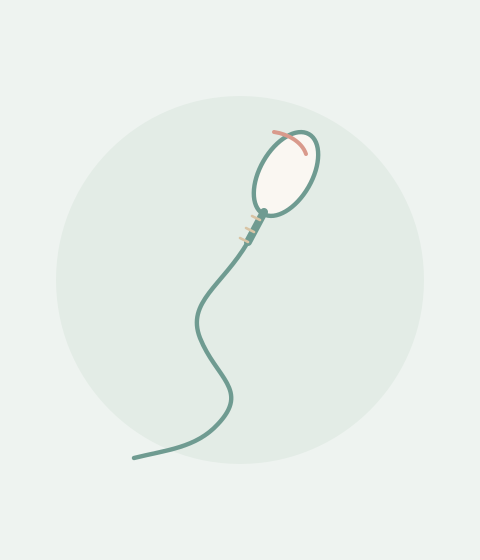

Illustration of a spermatozoon

For men

Understanding sperm quality, the factors that affect it and how male fertility is assessed.

Read more

Men produce new sperm throughout adult life, with a cycle of sperm production taking approximately three months. Sperm are sensitive to toxic substances and excessive heat, and their quality can also be affected by smoking and other lifestyle factors. Semen analysis provides important information about sperm count, movement and appearance, helping guide further assessment and treatment planning.

Low ovarian reserve

Individual assessment and planning in collaboration with a fertility specialist.

Read more

A low ovarian reserve can affect the number of eggs available for egg freezing or IVF. A fertility specialist can tailor an ovarian stimulation plan to your circumstances, sometimes combining stimulated and natural cycles to collect eggs or embryos over time. This process may require patience and more than one cycle. We help you understand the options and discuss realistic expectations for your individual situation.

Andrology Laboratory

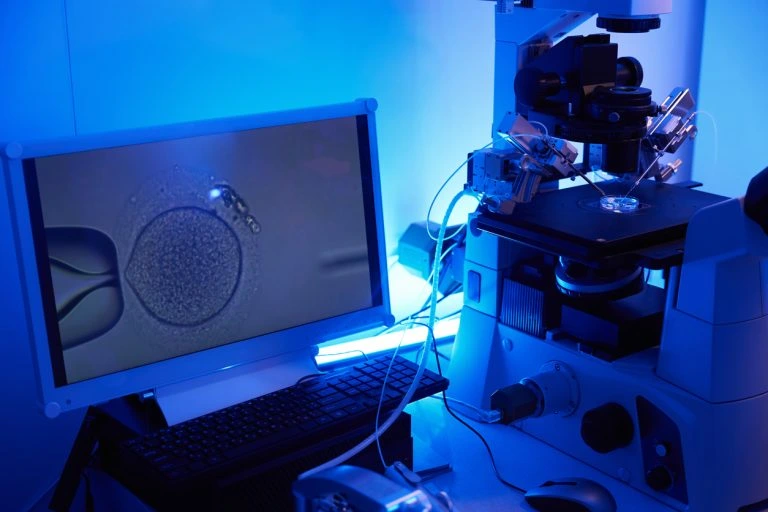
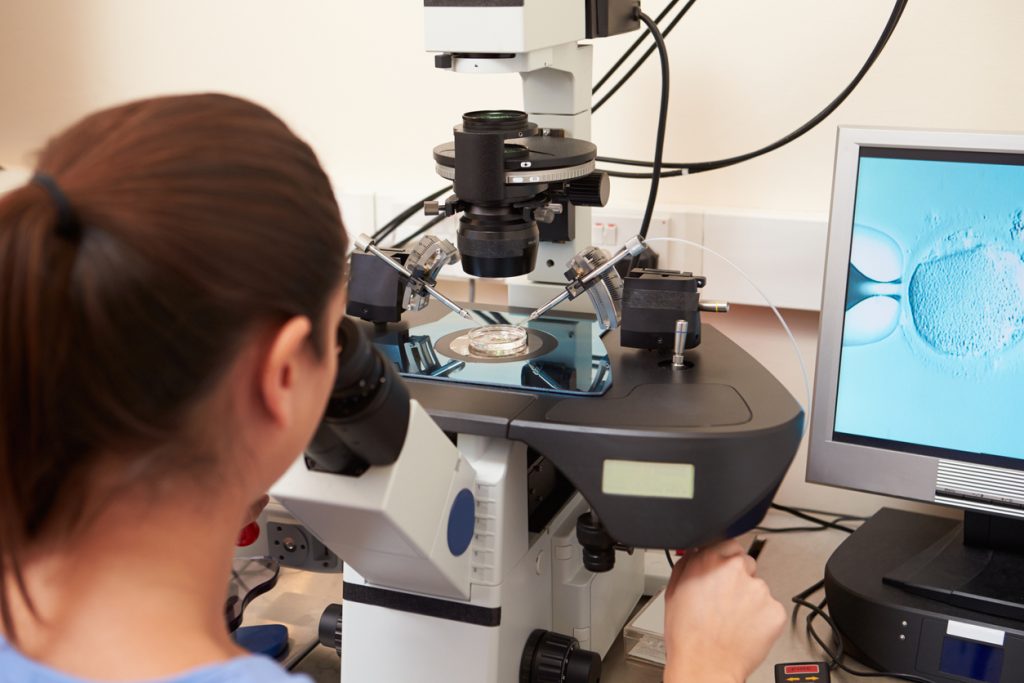
Laboratory microscope and micromanipulation system

Semen Analysis & Culture

Laboratory assessment of semen parameters and testing for the presence of microorganisms.

Read more

Semen analysis is a key part of assessing male fertility. Using World Health Organization criteria, the embryologist examines semen volume, pH, sperm concentration, motility and morphology. The findings help guide decisions about any further tests or treatment. Semen culture checks for microorganisms that may affect sperm quality. Before providing a sample, please follow the laboratory’s specific instructions on preparation and the period of abstinence.

Sperm Freezing

Preserving sperm samples for future use.

Read more

Sperm freezing may be recommended before treatments that could affect fertility, such as chemotherapy, or where occupational exposure to harmful substances is a concern. A semen sample is assessed and prepared in the laboratory before freezing and storage for possible future use. We explain the process and help you plan the timing around your circumstances.

Male Infertility — Assessment & Treatment

Low sperm count, reduced motility & abnormal morphology

Read more

A low sperm count, reduced movement or a high proportion of abnormally shaped sperm can make natural conception more difficult. Possible causes include medical conditions, genetic factors or causes that remain unexplained. Depending on the findings, ICSI may be considered: an embryologist selects an individual sperm under a microscope and injects it into an egg. Treatment is planned around the couple’s circumstances and the assessment of both partners.

Sperm DNA fragmentation & oxidative stress

Read more

In selected cases, including poor embryo development or biochemical pregnancies, your clinical team may recommend additional tests to assess sperm DNA integrity and oxidative stress. Where appropriate, the treating clinician may recommend treatment, while the embryologist may use a specialised sperm preparation method, such as ZYMOT, to help select sperm for fertilisation.

Azoospermia

Read more

Azoospermia means that no sperm are found in the ejaculate. It may be obstructive, where sperm are produced but cannot pass into the semen, or non-obstructive, where sperm production is impaired. Hormone tests, genetic investigations, semen culture and ultrasound may help identify the cause. In suitable cases, a specialist may retrieve sperm directly from testicular tissue. Any sperm found can be processed in the laboratory and frozen for use in a future ICSI cycle.

Donor Sperm IVF

Personal guidance on choosing a sperm donor and planning your path to parenthood.

Choosing a sperm donor

We take the time you need to explore the options that fit your circumstances and preferences.

Read more

Donor sperm may be considered when sperm are absent, cannot achieve fertilisation or are associated with repeated difficulties in embryo development. It is also an option for women wishing to start a family without a male partner. We give you time and guidance to explore donor profiles and make an informed choice. We work with approved, licensed sperm banks in Greece and abroad, where donors undergo screening in accordance with the applicable requirements.

Book a consultation

Hands holding a heart

IVF & ICSI

Assisted reproduction laboratory procedure

Egg Freezing

Understanding vitrification, the egg-freezing process and your fertility preservation options.

Read more

Egg freezing uses vitrification to preserve mature eggs for possible future use. Age at freezing is an important factor when considering their future potential. The timing and number of eggs to store depend on your age, medical and family history, personal circumstances and plans. Eggs are usually collected after controlled ovarian stimulation; in selected circumstances, natural-cycle collection may be considered. We explain each stage and help you make an informed decision, with a clear understanding that freezing eggs does not guarantee a future pregnancy.

IVF & ICSI

Understanding IVF and ICSI, from egg collection to embryo transfer.

Read more

IVF is an established treatment used for a range of fertility difficulties affecting women, men or both partners. Eggs are collected, usually following controlled ovarian stimulation, and fertilised in the laboratory. Where ICSI is appropriate, an embryologist selects an individual sperm and injects it into an egg under a specialised microscope. Embryos are then cultured and assessed before a suitable embryo is transferred into the uterus using a fine, flexible catheter. The fertility specialist and embryologist work closely together throughout egg collection and embryo transfer. The embryologist is responsible for preparing eggs and sperm, fertilisation and embryo culture under carefully controlled laboratory conditions.

Time-lapse & AI Embryo Assessment

Following embryo development

Time-lapse imaging records embryo development within the incubator. AI tools can support assessment of the timing and pattern of cell divisions.

Read more

Modern culture systems allow embryos to develop to the blastocyst stage, usually on day five or six. Incubators with integrated cameras record development without repeatedly removing embryos from their controlled environment. This provides detailed information about cell division and development. AI-based tools can support the embryologist’s assessment of these patterns when considering which embryos to select for transfer.

Get in touch

Contact details

+30 210 610 4682

Call us to discuss any questions about our services.

Call us

info@blossomfertility.gr

Email us and we will get back to you.

Email us

Address

49 Kifisias Avenue & Germanikis Scholis, Marousi, 151 23, Greece

Send us a message

Leave your details below and we will be in touch.